Top Signs Your Car Needs a Tune-Up Service

Keeping your car in optimal condition is essential for safe, reliable, and efficient driving. Many vehicle issues start subtly and can be easy to overlook until they become costly problems. This guide outlines the top signs that indicate your car needs a tune-up. Whether you’re navigating daily traffic or enjoying a scenic drive in Hurricane, WV, recognizing these warning signs early can prevent major repairs and keep your car performing at its best.

Unusual Noises

Knocking Sounds Under the Hood

One of the most common indicators of a tune-up requirement is unusual engine noise. Knocking or pinging sounds often point to problems with the ignition system, such as worn spark plugs or a failing ignition coil. Addressing these issues promptly can prevent more serious engine damage and restore proper performance. Repair costs for ignition system components typically range from $100 to $300, depending on parts and labor.

Preventative maintenance tip: Replace spark plugs according to your vehicle’s maintenance schedule and have the ignition system inspected regularly.

Squealing or Grinding Brakes

Audible brake issues, such as squealing or grinding, often indicate worn brake pads or problems with the rotors. Brake inspections during regular tune-ups can detect these issues early and maintain safe stopping performance. Typical brake repairs cost between $150 and $300 per axle.

Preventative maintenance tip: Schedule brake inspections at least once a year or every 12,000 miles.

Poor Fuel Efficiency

Declining Gas Mileage

A noticeable drop in fuel efficiency is a strong indicator that your car needs maintenance. Causes can include clogged air filters, malfunctioning O2 sensors, or problems with the fuel injection system. Tune-ups address these issues, restoring efficiency and reducing fuel costs. Repair costs typically range from $100 to $200, depending on the specific components involved.

Preventative maintenance tip: Replace air filters regularly and include fuel system checks in routine service appointments.

Seasonal Fuel Consumption Changes

Changes in weather can impact engine performance and fuel consumption. A comprehensive tune-up can adjust engine settings to optimize performance for varying temperatures and seasonal conditions.

Preventative maintenance tip: Schedule tune-ups before major seasonal changes to maintain consistent fuel efficiency.

Engine Performance Issues

Stalling or Rough Idling

Frequent stalling or rough idling signals potential issues with the fuel system, spark plugs, or electronic control unit (ECU). Tune-ups diagnose and correct these problems, improving engine stability and performance. Depending on the complexity of repairs, costs can range from $200 to $500.

Preventative maintenance tip: Maintain regular engine diagnostics to detect and resolve potential problems early.

Trouble Starting the Car

Difficulty starting, especially in colder weather, can indicate a weak battery, faulty spark plugs, or a failing starter. Inspecting and servicing these components can prevent inconvenient breakdowns. Repair costs usually range from $150 to $400.

Preventative maintenance tip: Test your battery regularly and replace it as needed, particularly before winter.

Warning Lights on the Dashboard

Check Engine Light

A lit check engine light is a clear signal that your vehicle requires attention. The underlying issue could range from minor to severe. During a tune-up, technicians can perform diagnostic tests and necessary repairs to prevent further damage. Diagnostic and repair costs generally range from $100 to $200.

Other Dashboard Alerts

Lights indicating low oil pressure, battery issues, or other system warnings should prompt immediate attention. These alerts highlight maintenance needs that, if addressed promptly, can prevent more significant problems.

Preventative maintenance tip: Never ignore dashboard alerts; they provide critical information about your vehicle’s condition.

Vibrations and Shaking

Vibrating Steering Wheel

If your steering wheel vibrates at higher speeds, it may indicate alignment issues or unbalanced tires. Tire rotation and balancing, often included in tune-ups, can resolve these problems and improve driving comfort. Costs for these services generally range from $50 to $100.

Preventative maintenance tip: Rotate tires every 6,000 to 8,000 miles to ensure even wear and stable handling.

Shaking When Idling

Shaking while idling may result from engine misfires or worn engine mounts. Tune-up services can diagnose these issues and restore stability and comfort. Repairs typically range from $200 to $400.

Preventative maintenance tip: Have engine mounts checked during routine inspections to prevent unexpected shaking.

Exhaust Smoke Changes

Increased or Different Colored Smoke

Changes in exhaust smoke can signal engine problems. Blue smoke may indicate oil burning, while black smoke can indicate excess fuel consumption. These issues require a tune-up to prevent further engine damage. Repairs for exhaust-related problems typically range from $300 to $800.

Seasonal Smoke Variations

Colder temperatures may cause temporary condensation-related exhaust smoke. However, persistent or changing smoke color warrants professional inspection.

Preventative maintenance tip: Monitor exhaust smoke and schedule an assessment if you notice unusual patterns.

Regular Maintenance Overdue

Skipped Scheduled Services

Neglecting routine maintenance can cause your car to fall behind on essential upkeep. Regular check-ups ensure vehicle health and detect problems before they escalate.

Ignoring Manufacturer Recommendations

Following the manufacturer’s recommended maintenance schedule is critical for vehicle longevity and performance. Missing scheduled services can compromise reliability and increase repair costs over time.

Preventative maintenance tip: Adhere to the maintenance schedule provided in your vehicle’s owner manual.

Conclusion

Recognizing the signs that your car needs a tune-up allows you to prevent costly repairs and maintain optimal performance. Unusual noises, declining fuel efficiency, engine performance issues, warning lights, vibrations, changes in exhaust smoke, and overdue maintenance all indicate the need for service.
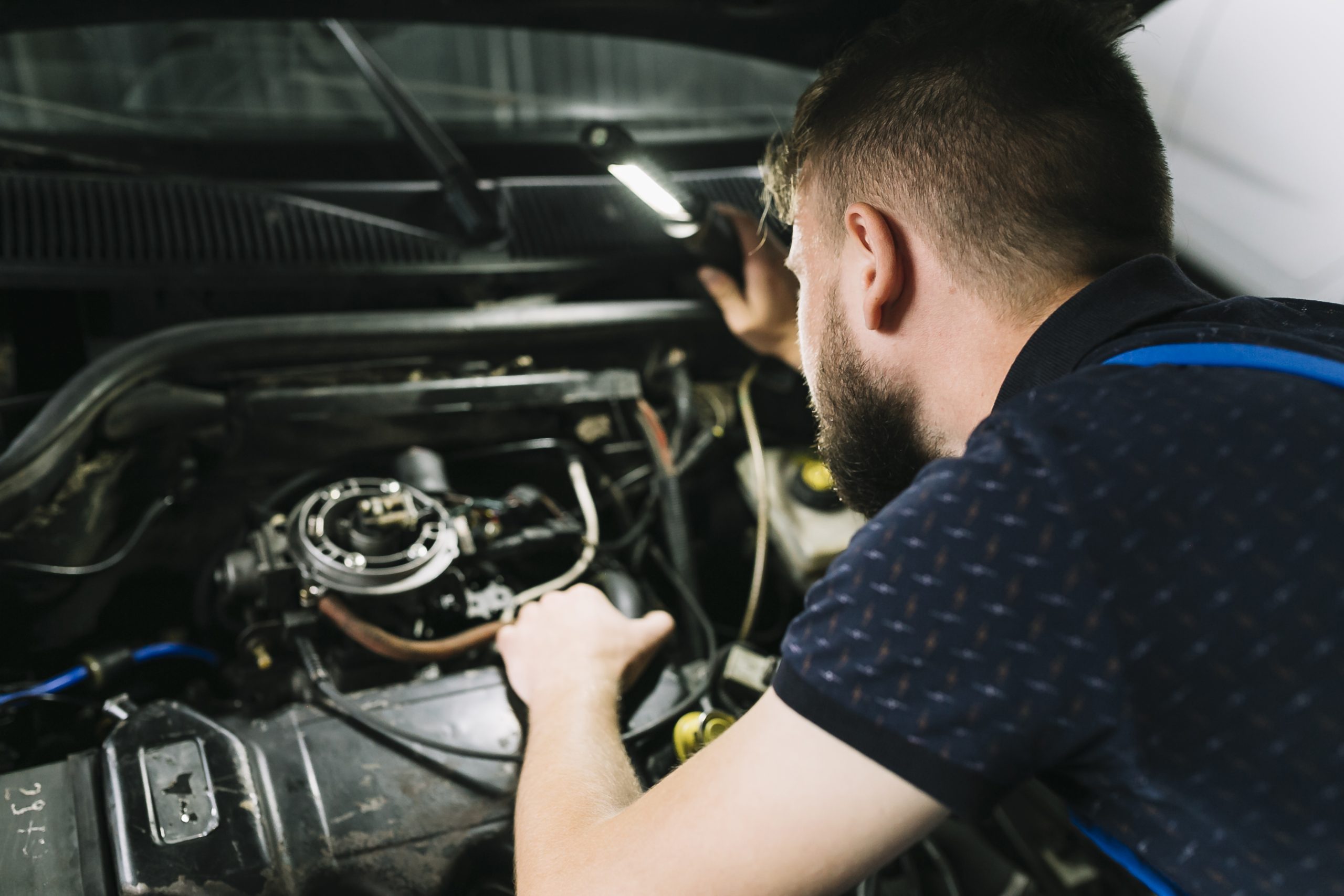
If you notice any of these symptoms, contact Teays Valley Auto Service Center in Hurricane, WV, for a comprehensive tune-up. Our experienced technicians will diagnose and address any issues, ensuring your vehicle operates safely, efficiently, and reliably. Regular tune-ups provide peace of mind and help extend the life of your car, keeping it in top condition on every drive.
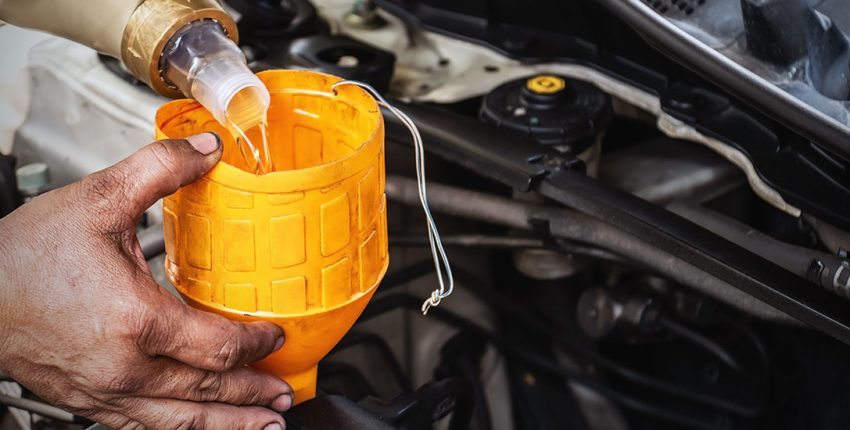
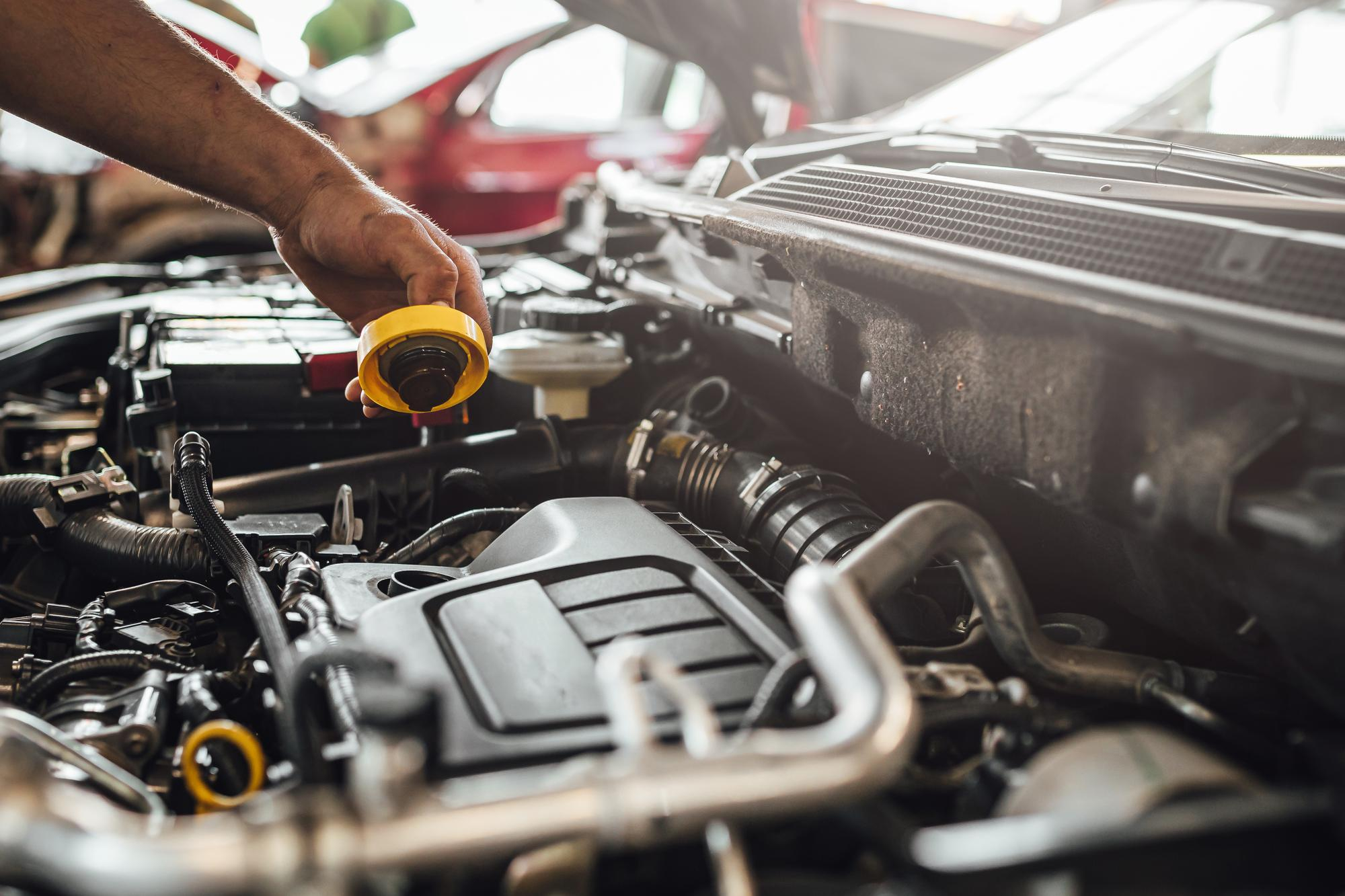
pouring engine fluid teays valley auto service

The Importance of Timely Fluid Change Services in Preventing Car Breakdowns

When it comes to car maintenance, most people think of oil changes, tire rotations, and maybe the occasional brake inspection. But one of the most overlooked—and most important—services you can get for your vehicle is a fluid change. From the transmission to the power steering, each of your vehicle’s critical systems relies on specific fluids to keep everything running smoothly. Neglecting these can spell disaster.

At Teays Valley Auto Service Center in Hurricane, WV, we’ve seen firsthand how something as simple as a forgotten fluid change can lead to expensive and stressful breakdowns. So let’s talk about why fluid change services matter, what fluids need attention, and how staying on top of your maintenance schedule can save you money—and maybe even a tow truck ride—down the road.

Why Fluids Matter More Than You Think

Think of the fluids in your car as its lifeblood. They lubricate, cool, clean, and power everything from your engine to your steering. Over time, these fluids degrade, get contaminated, or simply run low. And when that happens, the components they support start working harder—or worse, fail entirely.

Here’s what happens when fluids aren’t changed on time:

  • Engine oil loses viscosity and can’t lubricate properly.
  • Transmission fluid breaks down and causes shifting problems or transmission damage.
  • Coolant gets contaminated and loses its ability to prevent overheating.
  • Brake fluid absorbs moisture, which reduces braking power and can corrode internal components.
  • Power steering fluid can degrade, making your steering sluggish or noisy.
  • Differential and transfer case fluids can wear down and compromise drivetrain performance.

Each of these can lead to serious—and expensive—repairs if neglected. But with regular fluid change services, you give your vehicle the best shot at a long, healthy life.

Fluid maintenance service


Signs Your Vehicle May Need a Fluid Change

So how do you know when it’s time for a fluid change? Some vehicles have maintenance reminders, but it’s not always that simple. Here are some common red flags:

  • Strange noises: Whining, grinding, or clunking can indicate old or low fluids.
  • Rough shifting: If your automatic transmission feels jerky or slow to engage, it might be time to check the fluid.
  • Overheating: A lack of coolant or degraded coolant can lead to an overheating engine.
  • Spongy brakes: Brake fluid absorbs water over time, reducing braking effectiveness.
  • Stiff or noisy steering: Worn-out power steering fluid can make turning feel harder or noisier than normal.
  • Visible leaks or low fluid levels: A quick visual inspection under the hood can reveal more than you think.

Even if you’re not seeing these symptoms, remember: fluid changes are about prevention. By the time issues appear, damage might already be underway.

How Often Should You Schedule Fluid Change Services?

There’s no one-size-fits-all answer, as intervals vary by make, model, and driving conditions. But here are some general guidelines:

  • Engine oil: Every 3,000 to 7,500 miles, depending on your vehicle and oil type.
  • Transmission fluid: Every 30,000 to 60,000 miles for most automatics, sooner for heavy-duty or high-mileage use.
  • Coolant/antifreeze: Every 2 to 5 years or 30,000 to 60,000 miles.
  • Brake fluid: About every 2 years or as specified in your owner’s manual.
  • Power steering fluid: Every 50,000 to 100,000 miles or as needed.
  • Differential and transfer case fluids: Every 30,000 to 60,000 miles, especially for 4WD or AWD vehicles.

The best way to stay on track is to refer to your owner’s manual or talk to a trusted technician—like the ASE Certified experts here at Teays Valley Auto.

Fluid Change Services We Offer at Teays Valley Auto

As a locally owned shop with over 70 years of combined experience, we take pride in providing fluid change services that go beyond the basics. We don’t just drain and refill—we inspect, test, and replace fluids with the manufacturer-recommended products to ensure peak performance and longevity.

Our services include:

  • Oil Changes with high-quality conventional or synthetic oils and filter replacements.
  • Transmission Fluid Changes using advanced flush machines or manual methods tailored to your system.
  • Cooling System Services, including full coolant flushes and radiator inspections.
  • Brake Fluid Exchange with bleeding to ensure clean, air-free lines.
  • Power Steering Fluid Service to restore smooth steering and prevent premature component wear.
  • Drivetrain Fluid Changes for transfer cases and differentials, crucial for 4WD and AWD performance.

Every service includes a multi-point inspection so we can catch small problems before they become major repairs.

Real-World Consequences of Neglecting Fluid Changes

We’ve seen it all: transmissions that failed due to dark, burnt fluid that hadn’t been changed in over 100,000 miles. Engines ruined because the oil was more sludge than lubricant. Cooling systems clogged with rust and deposits from never having the coolant flushed.

One of our customers came in recently after their car started overheating on the highway. The culprit? Old coolant that had turned acidic and eaten away at the radiator. A $100 coolant service could’ve prevented a $900 radiator replacement.

These aren’t scare tactics—they’re everyday examples. Fluid neglect doesn’t just hit your wallet; it impacts your car’s performance, safety, and lifespan.

A Local Team That Cares About You and Your Car

At Teays Valley Auto, we’re more than mechanics—we’re your neighbors. Our shop is just three miles from where we live, and we’re proud to be part of the Hurricane, WV community. We don’t upsell or cut corners. Instead, we build relationships through honest service and reliable results.

When you come in for a fluid change, we’ll explain everything clearly, show you the condition of your current fluids, and make sure you’re comfortable with the work being done. No pressure, no surprises—just top-tier service from a team that cares.

Our ASE Certified technicians are trained in the latest vehicle systems and technologies, so whether you drive a vintage sedan or a modern hybrid, your car is in good hands.

engine oil inspection fluid maintenance service

Don’t Wait for a Breakdown—Act Now

Your vehicle works hard every day, and it deserves to be taken care of. Timely fluid change services are one of the simplest, most affordable ways to protect your investment, avoid major repairs, and keep your car running like new.

If you’re not sure when your last fluid change was—or if your dashboard lights are hinting it’s time—don’t wait for something to go wrong. Call Teays Valley Auto Service Center today and let us give your vehicle the expert attention it deserves.

We’re here to answer your questions, offer honest advice, and schedule a convenient appointment that fits your busy life. Because at the end of the day, we’re not just fixing cars—we’re helping our neighbors drive with confidence.

Brakes Repair

How to Determine If Your Car Needs Brakes Repair or Replacement

When it comes to car safety, there’s one component that absolutely can’t be ignored—your brakes. Whether you’re cruising down the highway or navigating busy streets, your brake system is the first line of defense in preventing accidents. But how do you know when your brakes are simply wearing down or when they actually need to be repaired or replaced?

In this guide, we’ll walk you through the key warning signs, what they mean, and how you can stay ahead of costly repairs—and more importantly, stay safe.

Brakes Repair

Why Brake Maintenance Matters

Let’s face it: brakes aren’t exactly glamorous, but they’re arguably the most critical safety feature in your vehicle. Your car’s brake system is a complex combination of parts—pads, rotors, calipers, brake fluid, and more—that all work together to help you stop quickly and safely. Over time, just like tires or oil, brakes wear down. And when they do, your risk on the road increases.

Routine brake checks can help you:

  • Avoid dangerous driving situations
  • Save money by catching problems early
  • Extend the lifespan of your brake components

So let’s dive into the signs that your car’s brakes might need some attention.

1. Squeaking or Squealing Sounds

This is one of the most common signs something’s up. That high-pitched squeal coming from your wheels when you brake isn’t just annoying—it’s your brake pads telling you they’re wearing thin.

Most modern brake pads are designed with a small metal indicator that rubs against the rotor when they get low. This squeal is like a built-in alarm bell, letting you know it’s time for a replacement.

What to do:
 If you hear squealing consistently, especially when slowing down, it’s time to have your brake pads checked.

2. Grinding Noises

If the squealing turns into grinding, you’ve probably waited too long. Grinding often means the brake pad has worn all the way down, and now metal is pressing against metal. This can damage your rotors—a much more expensive fix.

What to do:
 Get to a trusted repair shop ASAP. Ignoring grinding noises can lead to complete brake failure.

3. Vibrations When Braking

Do you feel a vibration or pulsing in the brake pedal when you slow down? That could be a sign that your rotors are warped. Rotors should be perfectly smooth. If they’re uneven, your brake pads won’t be able to grip properly, leading to reduced braking performance.

What to do:
 Warped rotors can sometimes be resurfaced, but depending on the damage, they might need to be replaced.

4. Brake Pedal Feels “Soft” or Spongy

A soft brake pedal—one that sinks toward the floor when you press it—is a sign that something isn’t quite right. It could be a leak in the brake line, air in the brake fluid, or worn-out brake pads.

What to do:
 This is a serious safety issue. You should avoid driving and have your vehicle inspected immediately.

5. Car Pulls to One Side While Braking

If your car pulls to the left or right when you brake, it could mean uneven wear on your brake pads or a stuck caliper. Sometimes, it could also be a sign of a problem with your brake fluid or suspension.

What to do:
 Get a brake inspection to determine if it’s a brake issue or something deeper in the steering or suspension system.

Brakes Repair

6. Brake Warning Light on the Dashboard

This one’s easy to spot. If your brake warning light comes on, don’t ignore it. It could be something as simple as low brake fluid or something more serious like a problem with your anti-lock braking system (ABS).

What to do:
 Check your brake fluid level first. If it looks fine and the light is still on, have your car checked by a professional technician.

7. Burning Smell While Driving

A sharp, chemical smell after heavy braking (especially on steep hills) might indicate overheated brake pads or a stuck caliper. This is dangerous, as overheated brakes can lose their ability to stop effectively—a condition known as “brake fade.”

What to do:
 If you smell burning and your brakes aren’t working well, pull over and let them cool down. Then, schedule a brake inspection as soon as possible.

8. Longer Stopping Distances

Does it feel like your car takes longer than usual to stop? That could mean your pads are too worn, your rotors are damaged, or your brake fluid is contaminated or low.

What to do:
 Don’t wait for this problem to worsen. Have your system checked before your brakes become dangerously unresponsive.

When to Repair vs. Replace Your Brakes

Now that you know the signs, how do you decide between repair and replacement?

Repair may be enough if:
  • Your brake pads are still relatively thick, and just need cleaning or adjustment.
  • The rotors are warped but not damaged beyond resurfacing.
  • You have minor air in the brake line or low brake fluid.

Replacement is likely needed if:
  • Your brake pads are worn down to the metal.
  • Your rotors are deeply grooved or cracked.
  • Your brake lines are leaking or damaged.
  • Your calipers or master cylinder have failed.

A professional technician can make this call for you during a thorough inspection.

How Often Should You Have Your Brakes Checked?

As a general rule, have your brakes inspected at least once a year, or every 12,000 miles—whichever comes first. If you drive in hilly terrain, stop-and-go traffic, or tow heavy loads, you may need more frequent checks.

And of course, if you notice any of the warning signs above, don’t wait. Get your car looked at sooner rather than later.

Brakes Repair

Trust the Experts at Teays Valley Auto

At Teays Valley Auto Service Center, we take your safety seriously. With over 70 years of combined experience and ASE Certified technicians, we know brakes inside and out. Whether you’re dealing with a squeaky brake pad or a full system failure, we’re here to provide fast, honest, and professional service.

As a locally owned and operated business just a few miles from home, we treat every customer like a neighbor—because you are one. From thorough inspections to expert repairs, we make sure you leave with confidence in your vehicle.

Get in Touch Today

Don’t let brake problems slow you down—or put your safety at risk. If you suspect your car’s brakes need repair or replacement, contact Teays Valley Auto Service Center today. We’ll help you get back on the road safely and stress-free.

Experience the Teays Valley Auto difference—where honesty, experience, and community care come standard. Call us today!

Vehicle Inspections

Why Regular Inspections Are Essential for Vehicle Safety

Imagine you’re cruising down the highway with the music blasting, the windows rolled down, and a cool breeze flowing through your hair. Everything is perfect—until suddenly, your car makes a weird noise. Maybe the engine starts sputtering, or your brakes feel weird. Panic sets in, and you realize something’s wrong with your car. You pull over, but it’s too late. Your car breaks down, or worse, you get into an accident.

This is one of the reasons why regular vehicle inspections are so crucial. While cars might seem like they’re built to last, they can develop hidden problems that put everyone on the road in danger.

Regular vehicle inspections are like check-ups for your car, making sure everything is running smoothly and safely before it causes a serious problem. But why exactly are these inspections so important? Let’s break it down.

Vehicle Inspections

Preventing Accidents

One of the main reasons why vehicle inspections are necessary is to prevent accidents. Imagine your car’s brakes are starting to fail, but you can’t tell because they still seem to work when you’re driving. Without a proper inspection, you might not know that the brake pads are worn down, and that could cause you to lose control of your car when you need to stop suddenly.

Brakes, tires, lights, and other critical systems need to be checked regularly to ensure they are functioning correctly. A well-maintained car is less likely to break down or cause an accident. Vehicle inspections are designed to catch these kinds of problems early, before they become dangerous. With routine checks, cars can be kept in top condition, and drivers can have peace of mind knowing their vehicle is safe to drive.

Ensuring Vehicle Reliability

Have you ever been in a situation where you’re running late, only to have your car break down on you? It’s frustrating and stressful, not to mention it could cause you to miss something important. Regular vehicle inspections help ensure that your car is reliable, reducing the chances of sudden breakdowns.

During an inspection, mechanics check the car’s engine, transmission, exhaust system, and other important parts to make sure they’re in good working order. If there’s a part that’s getting worn out or needs repair, they can catch it before it becomes a major issue. This makes your car more dependable, helping you avoid the hassle of being stranded on the side of the road.

Protecting Your Wallet

No one likes spending money on unexpected car repairs. The costs of replacing major components like the engine or transmission can be astronomical. Regular vehicle inspections can help you save money in the long run by identifying small problems before they turn into expensive ones.

For example, if an inspection finds that your exhaust system is rusting or your tires are wearing unevenly, you can fix the issue early on. If left unnoticed, these problems could become much bigger and more expensive. By keeping your car in good condition with regular inspections, you’re less likely to face high repair bills down the road.

Vehicle Inspections

Environmental Impact

Cars are one of the biggest contributors to air pollution, and an inefficient vehicle can make the problem worse. Vehicle inspections help keep the environment cleaner by ensuring that cars are running as efficiently as possible. A vehicle that is poorly maintained might release more harmful emissions into the air, contributing to pollution and climate change.

During an inspection, your car’s emission system is checked to make sure it’s operating correctly. If something is wrong, it could lead to more pollution than necessary. Fixing these issues can reduce the amount of harmful gases your car produces, helping to protect the environment. This is especially important in places where air quality is already a concern.

Safety for Everyone on the Road

Vehicle inspections don’t just protect the driver of the car being inspected—they protect everyone on the road. A car that’s not properly maintained can become a danger to other drivers, pedestrians, and cyclists. For example, if a car’s headlights or taillights aren’t working, it can be hard for other drivers to see you, especially at night. This increases the risk of accidents.

Other parts, like the suspension and steering, are checked to make sure they’re functioning properly. If a car’s steering system fails while driving at high speeds, it could cause a major accident. Vehicle inspections are designed to catch these issues before they have the chance to harm anyone.

Peace of Mind for Drivers

There’s nothing worse than wondering if your car is safe to drive. If you’ve ever experienced a strange noise or felt your car acting weird, you know the feeling of anxiety that comes with not knowing what’s wrong. Vehicle inspections give you peace of mind by ensuring that your car is in good shape and safe to drive.

Knowing that your car has passed a thorough inspection makes you feel more confident on the road. You don’t have to worry about your brakes failing or your tires blowing out at the worst possible time. With regular inspections, you can drive knowing that your car has been checked for safety and reliability.

Legal Requirement

In many places, vehicle inspections are not just a good idea—they’re required by law. These inspections are mandated by the government to ensure that vehicles on the road are safe and in compliance with environmental standards. If you don’t get your car inspected on time, you could face fines or even have your registration revoked. This makes regular inspections a necessary part of vehicle ownership.

The legal requirements for inspections vary by state or country, but most places require them every year or every few years. Failure to comply with these rules could result in penalties, which can add unnecessary stress and expense. By staying up-to-date with your car’s inspection schedule, you can avoid these legal issues.

Vehicle Inspections

Extending the Life of Your Vehicle

Cars are expensive, and no one wants to have to buy a new one sooner than necessary. Regular vehicle inspections help extend the life of your vehicle by ensuring that everything is working as it should. If you catch and fix small issues early, they’re less likely to cause bigger, more expensive problems down the road.

Taking good care of your car with routine inspections means you’re less likely to need major repairs or replacements. As a result, your car can last longer, giving you more value for your money. Regular maintenance and inspections are key to getting the most out of your vehicle.

Improving Driving Experience

When your car is properly maintained, it drives better. The engine runs smoothly, the brakes respond quickly, and the steering is precise. This makes for a much more enjoyable driving experience. Regular inspections ensure that all the systems in your car are functioning properly, which can make your ride safer and more comfortable.

Whether you’re commuting to school or going on a road trip with friends, driving a car that’s in good condition is always more fun. Plus, knowing that your car is safe and reliable makes the whole experience more relaxing.

Let Us Help You Keep Your Car Safe!

Don’t wait for problems to arise—stay ahead of car issues with regular vehicle inspections at Teays Valley Auto Service Center. Whether it’s for routine maintenance or a full inspection, our ASE Certified technicians are here to ensure your vehicle runs smoothly and safely.

Visit us today in Hurricane, WV. Call now to schedule your inspection, and let’s keep you on the road safely for years to come!