
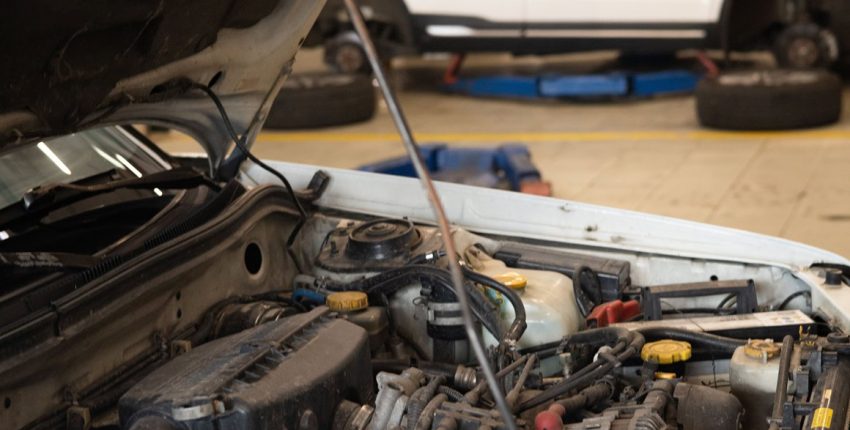
That little amber engine-shaped light can turn an ordinary drive into an instant worry. Is your car about to break down? Can you keep driving? Is the repair going to be expensive?
The good news is that a check engine light does not always mean a major engine failure. It means your vehicle’s computer detected a problem and stored information that can help identify the affected system. Sometimes the cause is as simple as a loose gas cap. Other times, the light points to an issue that should be diagnosed before it leads to more damage.
If you drive around Hurricane, WV, or the Teays Valley area, here’s what to know before you panic: and when it makes sense to visit a trusted shop for auto repair in Hurricane, WV.
Steady vs. Flashing: Why the Difference Matters
The first thing to notice is whether the check engine light is steady or flashing.
A steady check engine light
A steady light usually means the vehicle has detected a fault, but the issue may not be an immediate emergency. You might notice no change in how the vehicle drives, or you may experience symptoms such as reduced fuel economy, rough idling, or slower acceleration.
You can often drive a short distance with a steady light if the vehicle feels normal. However, you should still arrange a diagnostic inspection soon. Continuing to drive for weeks or months may allow a relatively manageable problem to affect other components.
A flashing check engine light
A flashing light is more urgent. It commonly indicates an active engine misfire, meaning one or more cylinders are not burning the air-fuel mixture correctly. An ongoing misfire can send unburned fuel into the exhaust and overheat the catalytic converter.
If the light begins flashing, reduce your speed, avoid hard acceleration, and pull over safely if the engine is shaking, losing power, producing unusual smells, or running very roughly. Arrange immediate service rather than continuing a normal commute.
For additional general guidance, the AAA check engine light guide explains why flashing warnings deserve prompt attention.
Common Causes of a Check Engine Light
A warning light is only the starting point. The actual cause may involve a sensor, ignition component, emissions system, or fuel-vapor leak.
1. Loose or damaged gas cap
A loose gas cap is one of the simplest and most common reasons a check engine light comes on. Your fuel system is designed to keep gasoline vapors contained. If the cap is not tightened properly, has a damaged seal, or is missing, the vehicle may detect a leak in the evaporative emissions system.
After refueling, remove and reinstall the cap until it clicks or feels securely tightened. Then give the vehicle several normal drive cycles. The light may not turn off immediately.
If the cap is cracked or the light stays on, the problem may involve another part of the EVAP system.
2. Oxygen sensor failure
An oxygen, or O₂, sensor measures the amount of oxygen in the exhaust. The engine computer uses that information to adjust the fuel mixture.
A failing sensor may cause:
- Decreased fuel economy
- Higher emissions
- Rougher performance
- A check engine light
Replacing a sensor without testing is not always the right answer. A wiring issue, exhaust leak, or another fuel-and-air problem can sometimes trigger a similar code. Proper diagnosis helps prevent paying for a part your vehicle does not need.
3. Catalytic converter problems
The catalytic converter is part of the exhaust system. It helps reduce harmful pollutants before exhaust gases leave the vehicle.
A failing catalytic converter may trigger a check engine light, reduce engine performance, or produce a sulfur-like smell. Catalytic converter repairs can be more expensive than a gas cap or sensor replacement, which is one reason early diagnosis matters.
In some cases, converter trouble is the result of an unresolved problem elsewhere: such as repeated misfires or an overly rich fuel mixture. Repairing the underlying issue is important before replacing the converter.
4. Worn spark plugs or failing ignition coils
Spark plugs ignite the air-fuel mixture inside the engine. Ignition coils provide the electrical energy needed to create that spark. When either component wears out, the engine may misfire.
You might notice:
- Shaking or rough idling
- Hesitation when accelerating
- Difficult starting
- Reduced power
- Poor fuel economy
A mild misfire may turn on a steady light, while a severe or active misfire can cause the light to flash. If your car is running unevenly, do not ignore it simply because it still moves.
Our tune-up service can help address ignition and maintenance concerns before they become more disruptive.
5. Mass airflow sensor trouble
The mass airflow sensor, often called the MAF sensor, measures how much air enters the engine. The computer uses that measurement to calculate the appropriate amount of fuel.
If the sensor is dirty, failing, or affected by an air-intake leak, your vehicle may experience rough running, hesitation, poor acceleration, or reduced fuel economy.
A diagnostic code may point toward the MAF system, but it does not automatically prove that the sensor itself needs replacement. A technician should inspect the sensor, wiring, intake duct, and related components before recommending a repair.
6. EVAP system leaks
The EVAP system, short for evaporative emissions control system, captures and routes fuel vapors so they do not escape into the atmosphere. It includes hoses, valves, a vapor canister, and the gas cap.
A small cracked hose or faulty valve can trigger the light even when the vehicle drives normally. These leaks can be difficult to see, which is why a shop may perform additional testing after reading the diagnostic code.
A gas cap is part of the EVAP system, but replacing the cap will not fix every EVAP-related problem.
What You Should Do Before You Panic
When the light comes on, take a moment to observe what your vehicle is doing.
First, check whether the light is steady or flashing. Then pay attention to changes in the vehicle’s behavior. Rough running, shaking, smoke, loss of power, fuel odors, overheating, or unusual exhaust smells all deserve extra caution.
If the light is steady and the vehicle feels normal:
- Check that the gas cap is installed and tight.
- Avoid hard acceleration and heavy loads.
- Schedule a diagnostic inspection soon.
- Do not erase the code before a technician sees it, if possible.
If the light is flashing or the engine is running badly, minimize driving and seek immediate assistance. A tow may be safer and less expensive than risking damage to the catalytic converter or engine.
What Happens When You Bring Your Car to a Shop?
A professional diagnostic visit should be more than plugging in a scanner and reading a code.
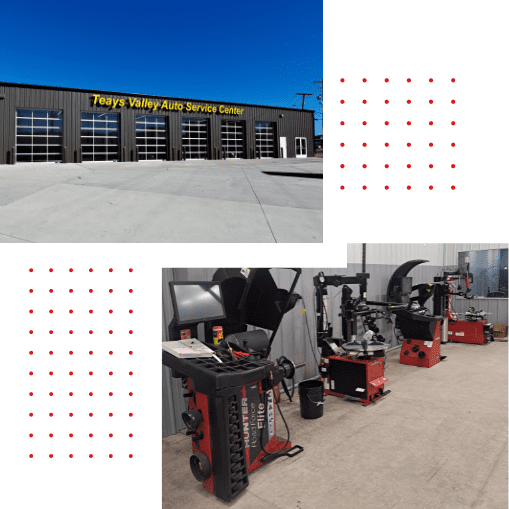
At Teays Valley Auto Service Center, the process generally begins with a diagnostic scan. The scan communicates with the vehicle’s onboard computer and retrieves diagnostic trouble codes. These codes identify the system or operating condition the computer noticed.
A code is a clue: not a complete diagnosis.
For example, an oxygen sensor code may be caused by the sensor, its wiring, an exhaust leak, or an air-fuel problem. A good technician combines the scan results with a visual inspection, testing, and your description of the symptoms.
The goal is to give you:
- A clear explanation of what the vehicle is experiencing
- An honest recommendation about what needs attention now
- A straightforward estimate before repairs begin
- A sensible repair priority if more than one issue is present
At Teays Valley Auto Service Center, ASE-certified mechanics bring more than 70 years of combined experience to vehicle repairs and diagnostics. As a locally owned and operated shop, we understand that your car is essential for work, school, errands, and family life: not just another vehicle in a service bay.
A Check Engine Light Is a Signal, Not a Reason to Guess
It is tempting to search for a code online, buy a part, and hope the light goes away. Sometimes that works for a loose gas cap. More often, it can lead to replacing the wrong component while the original problem remains.
You deserve to understand what is happening before approving a repair. That is especially important when the possible causes range from a minor EVAP leak to an ignition issue or catalytic converter problem.
Whether you need a quick inspection or more involved auto repair in Hurricane, WV, Teays Valley Auto Service Center offers competitive pricing designed to fit different budgets. Easy 6-month financing options may also help make necessary repairs more manageable. Every service is backed by a 100% customer satisfaction guarantee.
Take the Next Step
A steady check engine light should not cause panic, but it should not be ignored either. A flashing light calls for immediate attention. In either situation, accurate testing can replace guesswork with a practical plan.
If your warning light is on, contact Teays Valley Auto Service Center for diagnostics and inspections in Hurricane, WV. Our team can help you get the answers you need from an ASE certified mechanic in Hurricane, WV. You can also schedule an appointment or call (304) 757-9800 to speak with a friendly local mechanic in Teays Valley.