
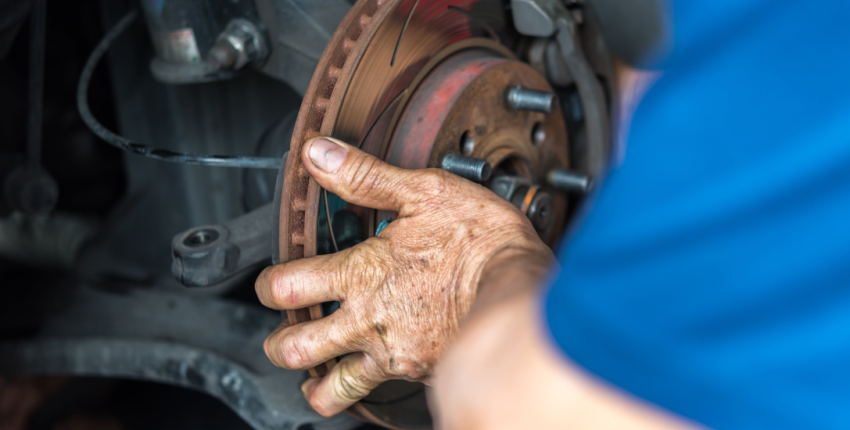
Brakes are one of the most important safety elements of any vehicle, ensuring a controlled stop and keeping you safe on the road. Maintaining brakes is more than a recommendation. It is essential for the safety of the driver, passengers, and pedestrians. However, brake problems are frequently neglected until they pose a substantial safety risk. Unusual noises, like squeaking or grinding, and a spongy or resistant pedal are common symptoms. Also, the car pulling to one side when braking is a symptom of failing brakes. Recognizing these early indicators can help prevent more serious problems in the future. Teays Valley’s mission is to help you understand these indicators. They also aim to ensure your brakes are in good working order. This will improve your vehicle’s safety and performance through expert brake repair.
Understanding Your Brake System
Knowing the key parts of your vehicle’s brake system is critical. It ensures its safety and performance. Brake pads, rotors, and calipers are key. They, along with brake fluid, make up your vehicle’s braking system. Each part has an important job.
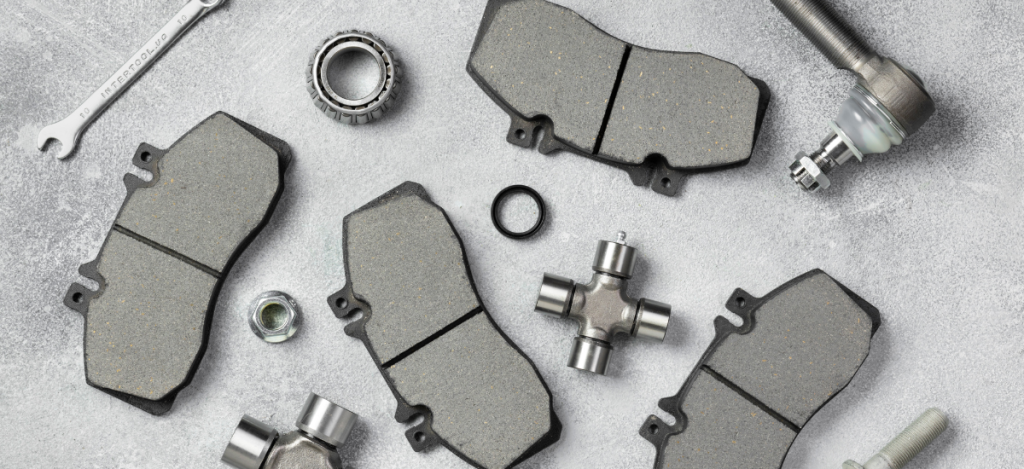
Brake pads are essential components that press against the rotors to create friction, allowing your vehicle to slow down and stop. Rotors are big metal discs that rotate with the wheels. When the brake pads clamp down on them, the ensuing friction brings your car to a stop. Calipers fit over the rotors like a clamp, and when you push the brake pedal, the brake pads press against the rotor. Brake fluid does one more thing. It takes the force from your brake pedal to the calipers. This magnifies the force you exert with your hand or foot. It lets the calipers squeeze the brake pads against the rotors.
All these parts work together. They make sure your brakes run smoothly and safely. They do this every time you press the brake pedal. Regular maintenance and quick repairs to these parts are vital for vehicle safety. They can also prevent larger problems later.
Common Signs of Brake Issues
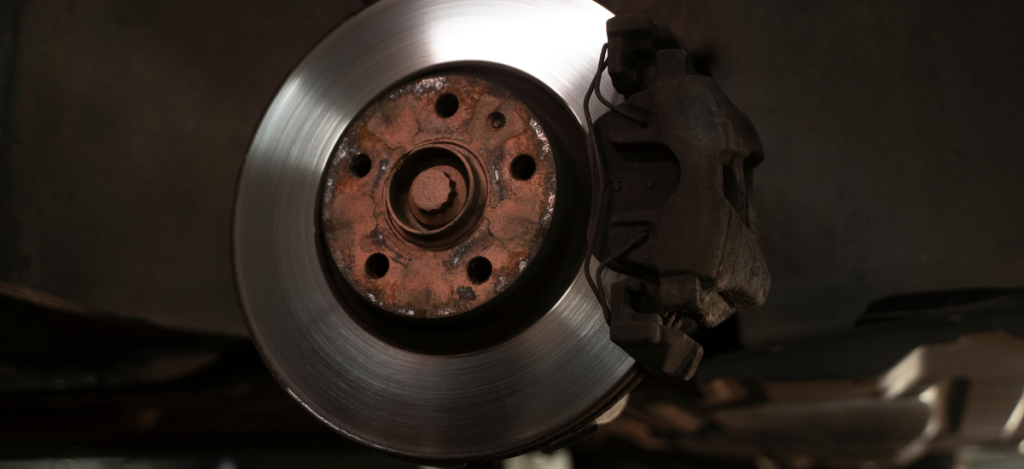
Early detection of brake problems can save money and lives in brake repair. The first warning usually comes from the sounds your car produces. Squeaking or grinding noises usually mean the brake pads are worn. They should be replaced to avoid more damage to other brake parts, like rotors or drums. If you hear these sounds, it is a strong indication that your brakes need quick attention.
Another common symptom is vibration or pulsation when using the brakes. This sensation, often felt through the brake pedal, indicates that your brake rotors may be deformed. Warped rotors can greatly reduce the effectiveness of your brakes. You should fix them right away.
Finally, do not ignore the brake warning light on your dashboard. This light can indicate a variety of difficulties, ranging from low brake fluid levels to more serious system faults. If this light occurs, have your vehicle checked by a pro right away. It can signal many dangers to the safety of your brake system.
Causes of Brake Issues
Wear and tear are among the most typical causes of brake difficulties. Every time you apply the brakes, a small quantity of material wears away from the brake pads and rotors. This progressive decay is natural. But, it eventually reduces your brakes’ effectiveness. This demands quick repairs or replacements to assure safety.
Environmental factors also influence the health of your braking system. Rain, snow, and road salt can cause rust and corrosion in brake parts. Similarly, driving in high or hilly terrain increases the load on your brakes, causing them to wear faster.
Finally, neglected maintenance is a major source of brake issues. Car owners often ignore regular brake checks. But, this neglect can cause serious problems. Not changing brake fluid, not cleaning and lubricating brake parts, and ignoring early signs of brake wear can all lead to unsafe driving. They also cause more costly repairs later. Routine maintenance is critical for avoiding these risks and extending the life of your vehicle’s braking system.
DIY Brake Inspection Tips
Regular inspections of your brakes can help detect problems before they become pricey repairs. Here’s how you do a basic brake inspection yourself:
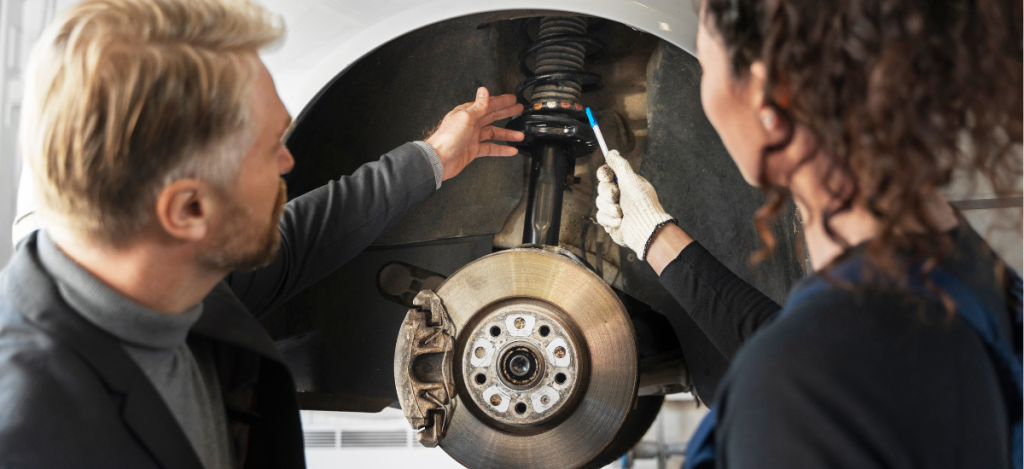
Visual inspection of brake pads and rotors: Lift your vehicle safely with a jack and secure with jack stands. Remove the wheels to provide a better view of the brake pads and rotors. Check for extreme wear, such as pads thinning to less than a quarter of an inch or rotors with deep grooves or scoring. Uneven wear may also suggest caliper difficulties.
Checking Brake Fluid Levels and Quality: Locate the brake fluid reservoir beneath your vehicle’s hood—it is usually near the master cylinder. The fluid should be clear to slightly yellowish, not black or cloudy. To ensure brakes work, fix low or dirty fluid right away. Replace it if needed.
Know When to Seek Professional Help: If you detect leaking fluid, deep grooves in the rotors, or grinding noises when braking, these are all signals that DIY solutions are insufficient. Furthermore, if the brake pedal seems spongy or you are unsure about any discoveries, you should contact a specialist. Regular maintenance from a good car repair, like Teays Valley, keeps your brakes in good shape. It can also help stop bigger problems later.
Preventative Maintenance for Brakes
You must maintain your vehicle’s brake system. This is critical to avoid frequent repairs and to keep you safe while driving. Following a maintenance program will help your brakes last longer and operate better. Begin by inspecting your brake pads and rotors every 10,000 miles, or as directed by your vehicle’s manufacturer. It is critical to replace brake fluid every two years, as old fluid can cause system corrosion and reduce braking performance.
Also, listen to the sounds your brakes make. Detecting strange noises, like grinding or squeaking, early might save you from worse problems later. Keep your vehicle’s weight within the maker’s limits. Also, avoid aggressive driving. These actions reduce strain on your brakes and the need for maintenance. Following these rules ensures that your brakes stay in great shape. They will provide dependable stopping power when you need it.
The need to keep your vehicle’s brakes in good working order cannot be stressed enough. This is not just to avoid squeaks and stops. It’s also to keep you safe while driving. Spotting the early signs of brake problems can help you avoid expensive repairs. It can also help you avoid unsafe driving situations. Teays Valley Auto Service Center is dedicated to assisting you in maintaining the best possible condition of your brakes. Whether you’ve observed a minor squeal while braking or it’s simply time for a routine check-up, don’t hesitate to contact us. Do not wait for the squeak to cease! Visit Teays Valley Auto Service Center or call us now to schedule a thorough brake inspection and keep your car safe and responsive on the road. With expert, dependable brakes repair services, let us help you preserve your peace of mind.